
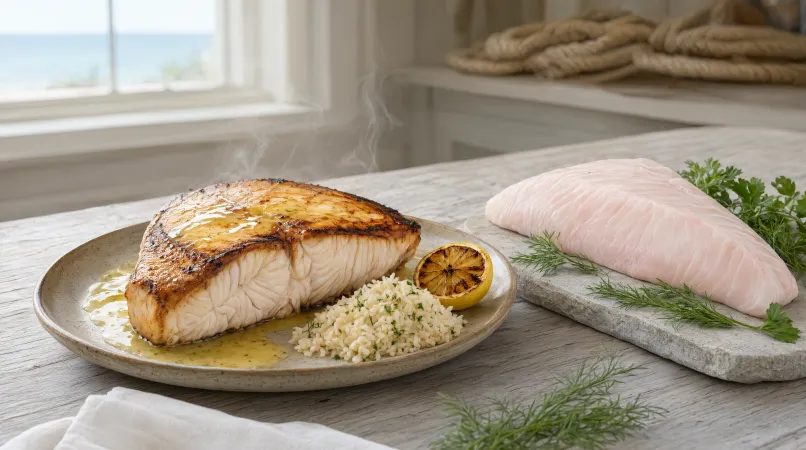
Can you eat shark meat safely? You can eat shark meat. People around the world cook and eat certain shark species, and shark steaks or fillets are legal in many places. But eating shark meat is not automatically a healthy everyday choice: shark can contain high levels of mercury, and its flesh needs careful handling because urea in the tissue can break down into ammonia.
Shark meat is best treated as an occasional seafood, not a regular dinner staple. If you are pregnant, breastfeeding, may become pregnant, or are serving young children, the FDA and EPA say to avoid shark altogether because of its mercury content.
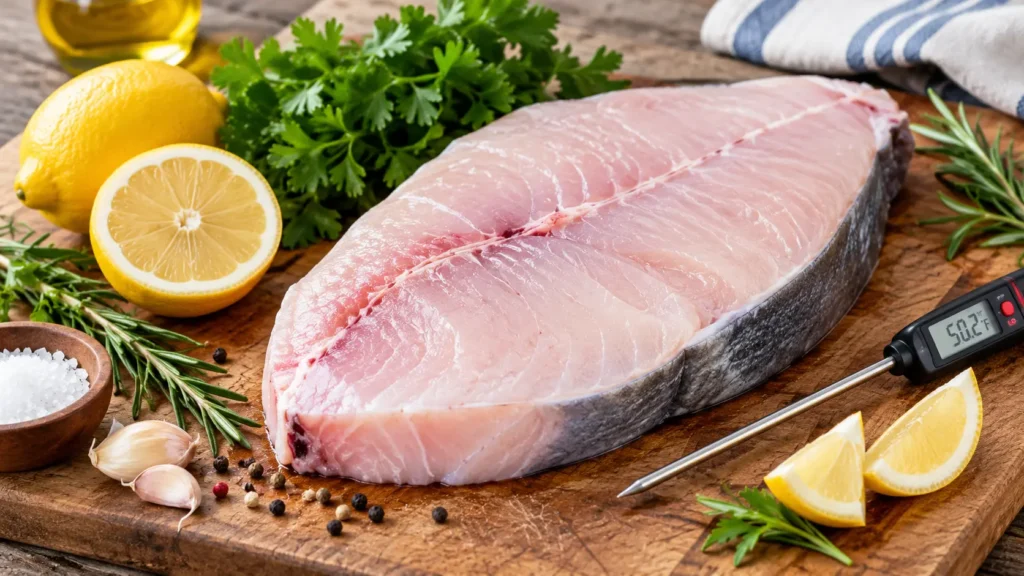
Can You Eat Shark Meat Safely?
You can eat shark meat safely only when the shark species is legal to harvest or sell, the fish has been handled properly, and you keep consumption occasional. The main concern is mercury, a heavy metal that builds up in large, long-lived marine predators.
Shark sits in the FDA’s “Choices to Avoid” category for people who are pregnant, breastfeeding, or may become pregnant, as well as for children. The FDA reports an average mercury concentration of 0.98 ppm in shark, well above the threshold it uses for fish in that highest-risk group.
For healthy adults, an occasional serving from a trusted, legal source is less concerning than regular consumption. Still, shark is not the best everyday seafood choice when lower-mercury options such as salmon, sardines, shrimp, pollock, or canned light tuna are available.
Quick safety checklist
- Buy only from a reputable fishmonger or licensed seafood seller.
- Confirm the species and local harvesting rules.
- Avoid shark if you are pregnant, breastfeeding, trying to conceive, or feeding a young child.
- Keep the meat very cold and cook it promptly.
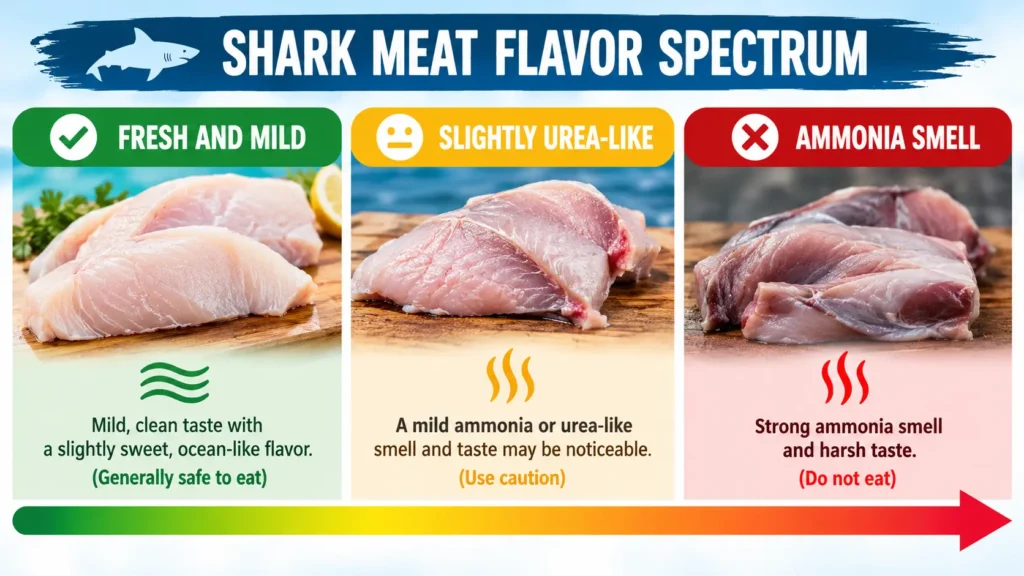
- Do not eat shark that smells strongly of ammonia.
What Does Shark Meat Taste Like?
Shark meat tastes mild, meaty, and slightly sweet, with a firm texture closer to swordfish or a thick white fish than to flaky cod. Good shark meat should not taste fishy or sharp.
The flavor depends heavily on handling. Sharks regulate salt balance using urea in their tissue; after death, bacteria can convert that urea into ammonia, creating a chemical or urine-like taste and smell.
Well-bled, rapidly iced shark can taste clean and pleasant. Poorly handled shark may need a marinade, but a strong ammonia odor is a spoilage warning—not something lemon juice can safely fix.
Which Types of Sharks Are Edible?
Several shark species are eaten commercially, but availability and legality vary by country and region. In the United States, species such as mako, thresher, and blacktip have historically been fished for meat, though regulations change and some stocks are protected.
| Shark type | Can people eat it? | Important note |
|---|---|---|
| Mako | Sometimes, where legal | Shortfin mako appears on NOAA’s prohibited-species list in some U.S. fisheries, so check current rules. |
| Thresher | Sometimes, where legal | A firm, meaty shark commonly discussed as an edible species. |
| Blacktip | Sometimes, where legal | Often used for steaks or fillets in regions where it is legally harvested. |
| Bull shark | Sometimes, where legal | People do eat bull shark, but it is a large predator and can accumulate mercury. |
| Reef shark | Usually avoid | Many reef sharks are protected or regulated; legality depends on the exact species and location. |
| Sand tiger shark | Avoid | NOAA lists sand tiger sharks among prohibited species that must be released if accidentally caught. |
| Great white shark | Avoid | Great whites are protected, and eating them is not a normal or legal seafood choice in the U.S. |
| Whale shark | Avoid | Whale sharks receive full international trade protection under CITES. |
There is no single universal list of edible shark fish. A fisherman, seafood seller, or local fisheries agency should confirm the exact shark species, harvest location, and current rules before you buy or cook it.
Is Shark Meat Healthy or High in Mercury?
Shark meat provides protein, but its mercury risk outweighs many of its nutritional benefits for vulnerable groups. Mercury from seafood occurs mainly as methylmercury, which can harm the brain and nervous system when exposure is high over time.
Because sharks live long and eat smaller marine animals, mercury can accumulate in their tissue. The FDA and EPA specifically place shark among the fish with the highest mercury levels, alongside swordfish, king mackerel, marlin, orange roughy, Gulf tilefish, and bigeye tuna.
Who should avoid shark
- People who are pregnant or breastfeeding
- People who may become pregnant
- Children ages 1 to 11
- Anyone advised by a clinician to limit mercury exposure
Shark is not automatically poisonous for a healthy adult, but “edible” does not mean “ideal.” If you choose to eat it, keep portions small and infrequent, and do not combine it with other high-mercury seafood such as swordfish or bigeye tuna in the same week.
What Are the Risks of Eating Shark Meat?
The biggest risk is mercury exposure. The second is poor handling: shark flesh contains urea, which can produce ammonia as the meat ages.
Other risks include:
- Foodborne illness: Like other seafood, shark should be kept cold and cooked properly; the FDA advises pregnant people and children to avoid raw fish, including sashimi-style preparations.
- Mislabeling: Shark products can be difficult to identify by appearance alone, and some traded shark meat may come from at-risk species.
- Conservation impact: Many shark populations face pressure from fishing and the fin trade; more than a quarter of shark species are considered threatened with extinction by IUCN assessments cited by conservation groups. wildaid
- Unpleasant flavor: Urea breakdown can make the flesh taste or smell like ammonia.
Do not confuse shark meat with shark fin soup. Fins are mainly cartilage and are used in soup, while the meat is the muscle tissue. Both raise conservation concerns, but fins have driven a separate and especially damaging trade.
How to Prepare Shark Meat Before Cooking
Start with very fresh, properly bled shark. Once a shark dies, prompt bleeding and icing help remove compounds that cause off-flavors; NOAA guidance notes that bleeding is one of the best ways to reduce urea-related problems.
If the meat smells mildly of ammonia but otherwise looks and feels fresh, soak it before cooking. A common approach is to soak shark in cold water with a small amount of lemon juice or vinegar in the refrigerator for about four hours.
Preparation steps
- Keep shark meat refrigerated at all times.
- Rinse it briefly under cold water.
- Soak it in cold water, milk, or a mild lemon-and-water marinade if needed.
- Pat it dry before seasoning.
- Cook it the same day whenever possible.
A strong ammonia smell is different from a mild ocean-like scent. If the odor is sharp or unpleasant, discard the meat rather than trying to mask it.
How to Cook Shark Meat (Best Methods)
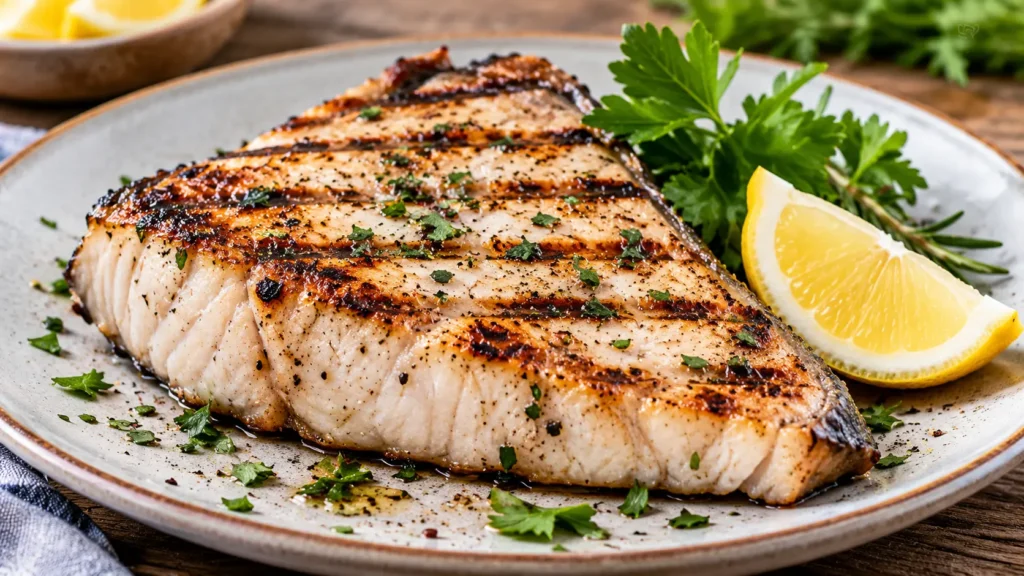
The best way to cook shark meat is quickly over moderate-to-high heat, without drying it out. Shark is lean, so long cooking can make it tough and dry.
Grill
Brush shark steaks with oil, season simply, and grill over medium-high heat. A short marinade with lemon, olive oil, garlic, and herbs works well; avoid over-marinating in strong acid, which can change the texture.
Pan-sear
Heat oil in a heavy skillet, sear shark steaks for about 5 to 6 minutes per side depending on thickness, then rest briefly before serving. This method gives the best crust for thicker cuts.
Bake
Bake shark fillets or steaks at around 400°F until the flesh turns opaque and flakes with gentle pressure. A little butter, lemon, and herbs help keep the lean flesh moist.
Batter and fry
For a crispy version, cut shark into portions, dip in batter, and fry until golden. This works best with smaller, evenly sized pieces so the inside cooks before the coating burns.
What Does Shark Meat Smell Like When It Goes Bad?
Fresh shark should smell clean, mildly briny, and like the ocean—not like chemicals. As urea breaks down, the flesh may develop an ammonia odor that becomes stronger as it spoils.
Throw the meat away if it smells sharply of ammonia, urine, or chemicals; feels slimy; has dull or discolored flesh; or has been left warm for more than two hours. Lemon, vinegar, or strong spices can cover a mild odor, but they do not make spoiled seafood safe.
Is It Legal to Catch and Eat Sharks?
Sometimes—but it depends on the shark species, location, fishing method, and whether the animal was legally harvested. Shark meat itself is legal in the United States, but shark finning—removing fins and discarding the body—is illegal in U.S. waters under the Shark Conservation Act.
Rules also differ for protected species. NOAA maintains a list of prohibited sharks that must be released if caught, including white, sand tiger, shortfin mako, and basking sharks in certain fisheries.
International trade adds another layer. CITES regulates trade in many shark species, and some, including whale sharks and oceanic whitetip sharks, face stricter international trade restrictions.
Before keeping or buying shark, check:
- Federal fisheries rules
- State or local fishing regulations
- Species-specific protections
- Whether the seller can identify the species and source
- Local seafood advisories for mercury or contaminants
Frequently Asked Questions About Eating Shark Meat
Do people eat shark?
Yes. People eat shark meat in many coastal regions, often as steaks, fillets, smoked fish, or fried seafood. The more important question is whether the particular shark species is legal, sustainable, and low enough in mercury for your situation.
Is raw shark liver edible?
No, do not eat raw shark liver. Shark liver can contain very high levels of vitamin A and may carry contaminants; eating it raw also increases foodborne-illness risk. Stick to properly handled, cooked muscle meat from a legal source, and avoid organs unless a qualified expert confirms they are safe.
What shark that is edible for humans?
Sharks sometimes sold for food include mako, thresher, and blacktip, depending on local laws and fisheries. Always verify the species because protections change and some mako fisheries restrict retention.
Can you eat bull shark?
People do eat bull shark in some places, but it is not a species I would recommend for regular consumption. Bull sharks are large predators, so their tissue can accumulate mercury, and local rules may restrict harvesting.
Is sand sharks edible?
“Sand shark” can refer to different species, so the answer depends on the exact animal. Sand tiger sharks are protected in many U.S. fisheries and appear on NOAA’s prohibited-species list, so avoid eating these endangered species unless local authorities clearly confirm the ocean species is legal.
Can you eat shark meat raw?
No, do not eat shark meat raw. The FDA advises pregnant people and young children to avoid shark sashimi, and shark’s urea content makes proper handling and cooking especially important.
Can you eat great white shark meat?
Avoid great white shark meat. Great white sharks are protected, and NOAA lists white sharks among prohibited specific species of shark that must be released if accidentally caught.
What kind of sharks can you eat?
Where legal, people may eat species such as mako, thresher, and blacktip. The safest approach is to buy from a licensed seller who can identify the species and confirm it came from a legal, managed fishery.
Can you eat sand sharks?
Only if the exact species is legal in your area. Because “sand shark” is an informal name, do not assume every sand shark is edible; sand tiger sharks, for example, are protected in many U.S. fisheries.
Do people eat the whole part of a shark or only some bits?
People mainly eat the muscle, sold as steaks or fillets. Fins are used in shark fin soup, cartilage may be used in supplements, and skin can be made into leather—but that does not mean every part is safe or legal to eat.
What sharks are safe to eat?
No shark is completely risk-free because shark can carry high levels of mercury. For people who are pregnant, breastfeeding, or children, the FDA says to avoid shark entirely; healthy adults should treat it as an occasional food from a reliable source.
Which sharks are edible?
Mako, thresher, and blacktip are commonly cited edible shark species where regulations allow. Always check current rules, because species such as shortfin mako and sand tiger sharks face restrictions in some U.S. fisheries.
What parts of the Mako shark can you eat?
The muscle meat—usually sold as steaks or fillets—is the part people normally eat. Avoid organs, especially liver, unless you have expert guidance; the meat should be fresh, legal, and cooked thoroughly.
Where can I eat shark?
You may find shark steaks at specialty seafood markets, coastal restaurants, or fish markets in regions where sale is legal. Ask exactly which shark species it is, where it was caught, and whether it was responsibly harvested.
Is reef shark edible?
Reef sharks are generally not a good choice. Many reef shark species are protected or regulated, and their conservation status varies by region, so avoid eating reef shark unless local authorities confirm it is legal and sustainable.
Is sand tiger shark edible to eat?
Avoid sand tiger shark. NOAA lists sand tiger sharks among prohibited species that must be released if accidentally caught in relevant U.S. fisheries.
Conclusion
So, can you eat shark meat? Yes—but carefully. Shark meat is edible, firm, and mild when fresh, and people have cooked it for generations in southeasterncoastal communities. The real issue is not whether humans can digest it; it is whether the specific shark species is legal, responsibly sourced, and safe for your health. Shark can accumulate high levels of mercury, and the FDA advises pregnant and breastfeeding people, as well as young children, to avoid it completely.
If you decide to try shark, buy only identified meat from a reputable source, keep it ice-cold, soak it if needed, and grill, sear, bake, or batter-fry it without overcooking. Skip any piece that smells strongly of ammonia. Choose lower-mercury seafood most of the time, respect shark conservation rules, and treat shark meat as an occasional specialty rather than a weekly habit.
You might also love:
- Can You Eat Bonita Fish? Taste, Safety & How to Cook
- What To Do If You Accidentally Catch A Shark (7 Best Practices)
- Are There Sharks In Costa Rica (This Is Not Fake. It’s Real!)
- The Ultimate Guide For Shark Fishing In Panama City Beach Florida
- Choosing The Best Shark Fishing Pole For Beginners (2022 Top Picks)
- TOP 7 Fishing Rods For Sharks (Incl. AFFORDABLE Models!)