
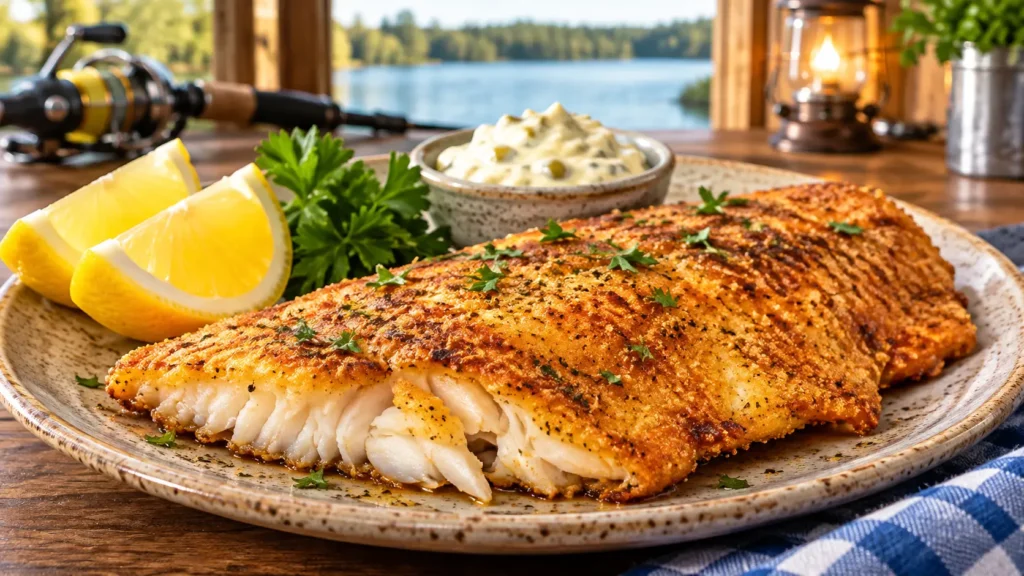
Are crappie good to eat? Crappie are excellent to eat. They have mild, slightly sweet meat with a delicate, flaky texture that works well for frying, baking, and pan-searing. Crappie are popular freshwater panfish, but proper filleting, careful bone removal, and checking local fish-consumption advisories are essential for a safe and enjoyable meal.
If you catch crappie from a clean lake or reservoir, you can expect one of the tastiest panfish meals in freshwater fishing. Their small size makes them quick to cook, and a fresh crappie fillet needs little more than salt, pepper, hot oil, and a squeeze of lemon.
Are Crappie Good to Eat? (Taste, Texture & Flavor)
Are crappie good eating fish? Absolutely. Crappie rank among the best-tasting freshwater panfish because their flesh is mild, tender, and not overly “fishy.” Many anglers place eating crappie alongside bluegill, perch, and walleye as top freshwater table fare.
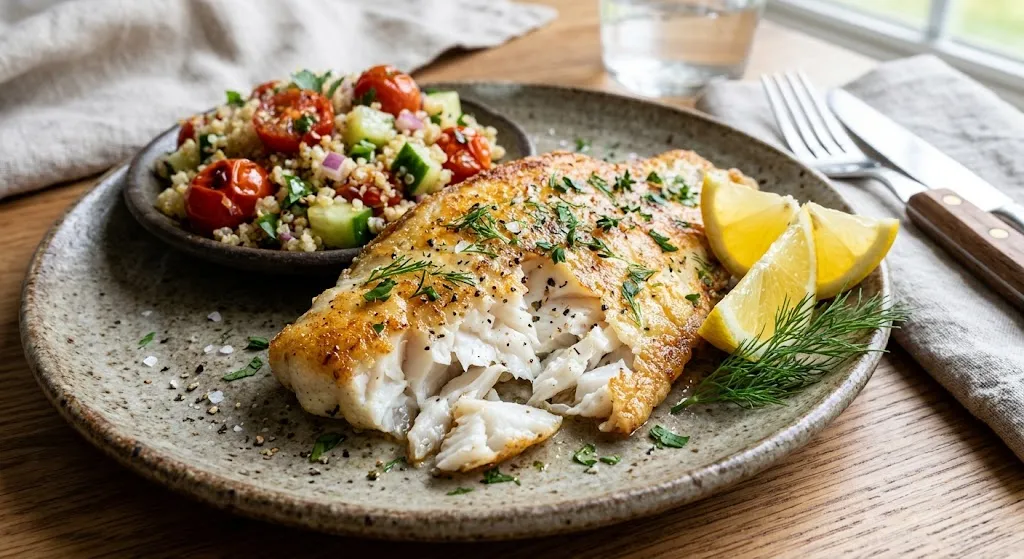
The best crappie meals come from fish handled well from the moment you catch them. Put them on ice in a cooler immediately, clean them the same day, and cook the fillets while they are fresh. Crappie have thin fillets, so they cook fast and dry out quickly if you leave them in a skillet too long.
Crappie are especially good for people who do not usually enjoy strong-tasting fish. Their light flavor accepts seasoning easily, whether you prefer a simple cornmeal fry, lemon-butter bake, or blackened crappie tacos.
What Does Crappie Taste Like?
Crappie taste mild, clean, and slightly sweet. The meat is white, flaky, and tender, with less oil than catfish or trout. It has a delicate flavor closer to perch or walleye than to salmon or mackerel.
The taste can change slightly based on water quality and diet. Crappie feeding habits include zooplankton, aquatic insects, crustaceans, and baitfish such as minnows and shad. Fish from a clear, healthy lake often taste cleaner than fish from stagnant, muddy, or heavily polluted water.
A good rule: freshness matters more than species. A properly iced crappie caught that morning will usually taste better than any fish left warm in a cooler for hours.
Flavor profile at a glance:
- Mild and slightly sweet
- Low “fishy” odor when fresh
- White, flaky, tender flesh
- Absorbs seasoning and breading well
- Excellent for frying, baking, grilling, and pan-searing
Are Crappie Healthy to Eat?
Yes, crappie can be a healthy part of eating fish. Like other fish, they provide lean protein plus nutrients such as vitamin B12, vitamin D, selenium, iron, and omega-3 fats. The EPA and FDA note that fish supports a healthy eating pattern and provides important nutrients, including DHA, EPA, iron, choline, zinc, and selenium.
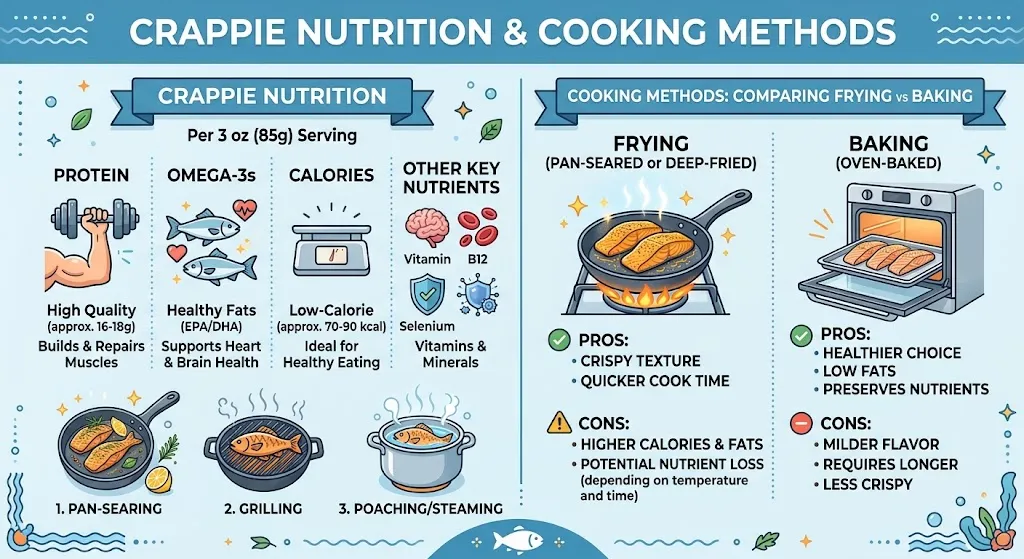
Crappie are generally smaller than predator fish such as bass, catfish, or walleye. Because mercury tends to accumulate more in larger, longer-lived predator fish, smaller panfish can be a sensible choice—but local testing still matters.
Preparation affects the health value too. Frying adds calories and fat, while baking, grilling, air-frying, or pan-searing with a small amount of oil keeps the meal lighter.
| Cooking method | Flavor result | Health note |
|---|---|---|
| Cornmeal fry | Crisp, classic, rich | Highest in added calories |
| Baked | Mild, moist | Lightest option |
| Pan-seared | Golden outside, tender inside | Moderate added fat |
| Air-fried | Crisp with less oil | Good lower-fat alternative |
| Grilled | Smoky, clean | Best with firm, larger fillets |
Do Crappie Have a Lot of Bones?
Crappie have bones, but they are not difficult to eat once you fillet them correctly. Like most panfish, they contain a main rib cage and small pin bones. A careful crappie fillet removes most of them.
The biggest mistake is cutting too close to the backbone or leaving the rib cage attached. Use a sharp fillet knife, remove the skin if you prefer, and run your fingers along the flesh to feel for remaining bones before cooking.
Bone-removal tips:
- Use a flexible fillet knife.
- Cut behind the gill plate and down to the backbone.
- Follow the rib cage with the blade rather than cutting through it.
- Check each filet for pin bones before seasoning.
- If a few tiny bones remain, frying or baking usually softens them enough that they are easy to notice and remove.
Which Is Better to Eat: White Crappie or Black Crappie?
Both white crappie and black crappie are tasty, and most people cannot tell a major difference after cooking. White crappie often have vertical bars and a slightly longer mouth, while black crappie have irregular dark spotting.
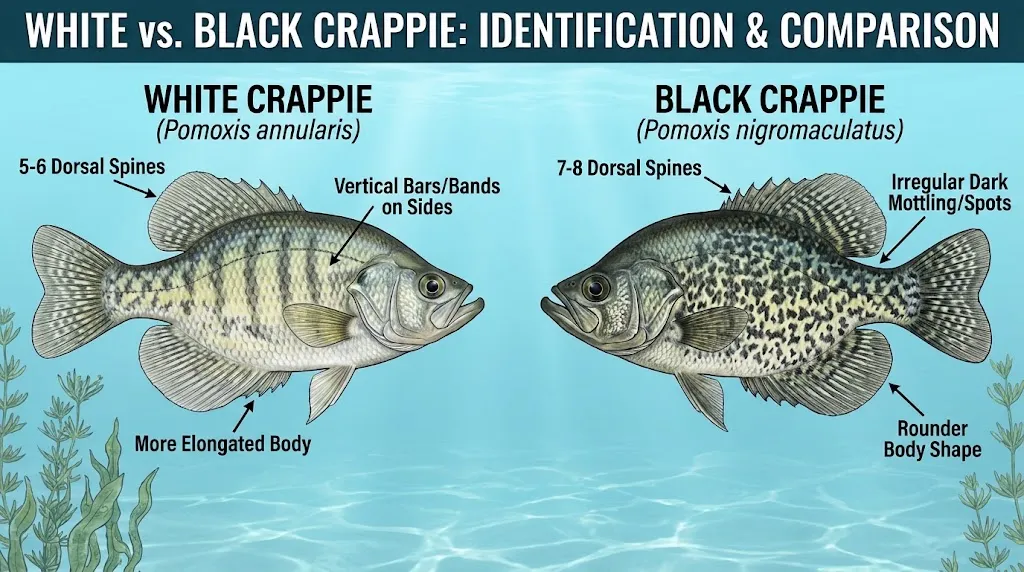
Black crappie often prefer clearer water and feed more on invertebrates, zooplankton, and insects. White crappie commonly feed more on small fish, including shad and minnows, especially in stained water or reservoirs. Those diet differences may create very slight flavor differences, but freshness, size, and water quality matter far more.
| Feature | White crappie | Black crappie |
|---|---|---|
| Markings | Vertical bars | Irregular black spots |
| Typical habitat | Murky or stained water, reservoirs | Clearer lakes, ponds, and weed edges |
| Common diet | More baitfish, shad, minnows | More insects, crustaceans, zooplankton |
| Eating quality | Mild and flaky | Mild and flaky |
What Is the Best Size Crappie to Keep for Eating?
The best eating size is usually 9 to 11 inches. These fish provide a usable fillet without requiring you to keep every small crappie you catch. Many anglers call a particularly large crappie a “slab,” but bigger is not always better for the table.
Very small crappies produce thin fillets and more waste. Very large old fish can sometimes develop a stronger flavor, especially in waters with advisories. A mix of 9- to 11-inch fish gives you plenty of meat while leaving some larger spawning-age fish in the lake.
Keep-size guide:
- Under 8 inches: Usually better to release; small fillets
- 8–9 inches: Good if local regulations allow
- 9–11 inches: Best balance of meat, flavor, and sustainability
- Over 12 inches: Great fillets, but check advisories and local limits
How to Clean and Fillet Crappie for Cooking
Learning how to clean crappie makes eating crappie much more enjoyable. A sharp knife and a stable cutting board matter more than fancy equipment.
Simple crappie fillet method
- Rinse the fish and place it on a cutting board.
- Cut behind the gill plate down to the backbone.
- Turn the blade parallel to the backbone.
- Slide the knife toward the tail, keeping the tip just above the ribs.
- Lift the fillet and cut it free at the tail.
- Flip the fish and repeat.
- Remove the rib cage by cutting beneath it or slicing it away.
- Skin the fillet if desired, then rinse briefly and pat dry.
- Keep fillets on ice until cooking.
For the cleanest crappie fillet, avoid sawing motions. Let the sharp blade do the work. If you plan to fry the fish, leaving the skin on can help hold the fillet together, though many cooks remove it for a milder bite.
What Is the Best Way to Cook Crappie?
The best way to cook crappie depends on the texture you want. For most anglers, a light cornmeal fry is the classic choice because it makes the thin fillets crisp without hiding their mild flavor.
– Classic fried crappie
- Pat crappie fillets dry.
- Season with salt, black pepper, garlic powder, and paprika.
- Dredge in a mix of cornmeal, flour, and Cajun seasoning.
- Fry in 350°F oil for 2–3 minutes per side.
- Drain on a wire rack and serve with lemon wedges.
– Baked crappie
Place fillets on a greased baking sheet, brush with melted butter or olive oil, season with lemon pepper, and bake at 400°F for 10–12 minutes. The fish is done when it turns opaque and flakes easily.
– Pan-seared crappie
Dust the filet lightly with flour, sear in butter over medium-high heat for 2–3 minutes per side, then finish with lemon juice and fresh parsley. This method keeps the flavor clean and works especially well for larger fillets.
Best Crappie Recipes to Try at Home
1. Southern fried crappie
Coat fillets in seasoned cornmeal and fry until crisp. Serve with tartar sauce, coleslaw, hush puppies, and hot sauce.
2. Lemon-butter baked crappie
Arrange fillets in a baking dish, top with butter, lemon slices, garlic, and dill, then bake until flaky. This is one of the easiest ways to enjoy the natural taste.
3. Crappie tacos
Season baked or pan-seared crappie with chili powder, cumin, and lime. Serve in warm tortillas with cabbage slaw, avocado, and a spicy crema.
4. Crappie po’ boy
Fry fillets, pile them into a toasted roll, and add lettuce, tomato, pickles, and remoulade. It is a great way to use a larger catch.
5. Crappie chowder
Simmer potato, corn, onion, celery, and broth, then add chunks of cooked crappie near the end. The mild fish works well without overpowering the soup.
6. Air-fryer crappie
Spray breaded fillets with oil and cook at 400°F for about 8–10 minutes, flipping halfway through. You get a crisp texture with far less oil than deep-frying.
Is It Safe to Eat Crappie Caught in Any Lake or River?
No. Crappie are generally safe when they come from clean water, but you should always check local fish-consumption advisories before eating fish from a specific lake, pond, river, or reservoir. State and local agencies issue advisories when mercury, PCBs, or other contaminants reach concerning levels.
Contaminant levels vary by waterbody, fish size, and species. Some advisories set separate limits for crappie, especially for pregnant people, children, and people who eat fish frequently.
Safety checklist
- Check your state wildlife or health department advisory before keeping fish.
- Follow posted warnings at boat ramps and fishing access areas.
- Keep smaller fish when possible; larger predator fish can carry more contaminants.
- Eat the fillet rather than organs or skin when advisories recommend trimming.
- Keep caught fish cold in a cooler with ice.
- Cook crappie to an internal temperature of 145°F.
How Crappie Feeding Habits Affect Flavor
A crappie fish lies next to a fishing setup featuring a yellow and white bobber, a pink soft plastic jig lure on a hook, and text reading “Add This!” with arrows pointing to the jig.
Crappie feeding habits help explain why they taste so mild. Young crappies eat zooplankton and insects, while adults shift toward small fish, insects, and crustaceans. In reservoirs, threadfin and gizzard shad are major prey; in smaller ponds, minnows, insect larvae, and invertebrates often dominate.
This varied diet gives crappie a clean, balanced flavor rather than the muddy taste sometimes associated with bottom-feeding fish such as catfish. Crappie often suspend at mid-depths and feed around brush, docks, drop-offs, and shallow cover during the spawn. Anglers commonly catch them with a jig, tube bait, small plastic lure, bobber rig, live minnows, or other live bait.
FAQs
Are crappie good to eat in the summer?
Yes. Crappie are good to eat in the summer, especially when you keep them cold and clean them quickly. In warm months, crappie often move deeper or hold near cooler structure, so fish caught from deeper, cleaner water can taste especially good.
Are crappie better than bluegill?
Both are delicious. Bluegill have a slightly sweeter, richer flavor, while crappie offer larger fillets and a more delicate texture. Many anglers enjoy both and choose based on fillet size and cooking method.
Can you eat crappie skin?
Yes, you can eat crappie skin if it is cleaned well and cooked until crisp. Many people remove it because crappie fillets are thin and the skin can curl during cooking.
Do crappie taste fishy?
Fresh crappie should not taste overly fishy. A strong odor or muddy flavor usually points to poor water quality, poor handling, or fish that sat too long before cleaning.
How many crappie should you eat?
There is no single answer for every lake. Follow the advisory for the exact waterbody. In areas without a specific advisory, the EPA advises sensitive groups to pay close attention to species, portion size, and frequency; many state advisories set limits such as one meal per week for higher-risk groups.
Can you eat crappie raw?
No. Do not eat raw crappie. Freshwater fish can carry parasites and bacteria, and the EPA-FDA advice specifically recommends eating cooked fish.
What bait catches the best-eating crappie?
Live minnows, small jigs, tube baits, and soft-plastic lures all catch crappie. The bait does not determine flavor as much as water quality, fish size, and handling after the catch.
Why soak crappie in salt water?
Soaking crappie in cold salt water helps draw out blood and reduce any muddy or strong flavor. It can also firm the fillets slightly. Keep the soak brief, refrigerated, then rinse and dry the fish before cooking.
Why is crappie not sold in stores?
Crappie are usually not sold in stores because many states classify them as game fish and ban the commercial sale of recreationally caught crappie. These rules protect fish populations and prevent overharvest. Limited farmed or specialty sales exist, but most crappie comes from anglers.
Conclusion
Are crappie good to eat? Yes—crappie are one of the best freshwater fish you can bring home. Their mild, slightly sweet taste, flaky white meat, and quick cooking time make them a favorite for anglers who enjoy a simple, satisfying meal. A fresh crappie fillet fries up crisp, bakes into a tender dinner, and works beautifully in tacos, chowder, or a classic po’ boy.
The secret is handling. Ice your catch immediately, clean the fish promptly, remove the rib bones carefully, and cook the fillets until they just turn opaque. Check the advisory for your specific lake, river, or reservoir before eating crappie, especially if you are pregnant, feeding children, or eat fish often.
Whether you catch crappie with a jig, bobber rig, live minnows, or a small plastic lure, the reward goes beyond the fight. Properly prepared crappie are tasty, versatile, and well worth keeping within local limits.
Recommended posts
- Crappie vs Bream 101: Key Differences, Size & Fishing Tips