
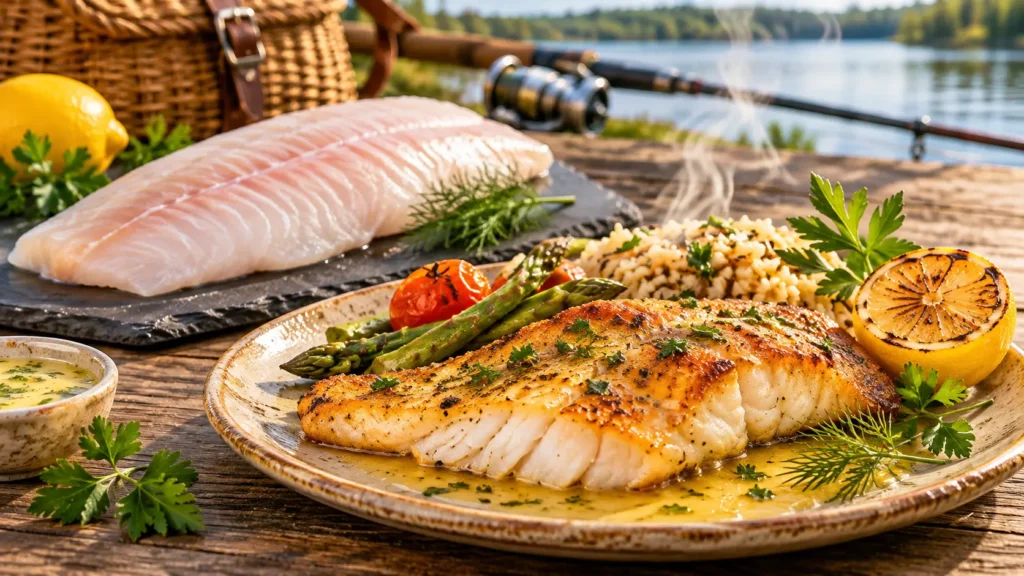
Are white bass good to eat? White bass are good eating when you keep them fresh, fillet them carefully, and remove the dark red meat along the lateral line. Properly prepared, they offer moist, flaky white meat with a mild-to-moderate freshwater flavor that works especially well fried, grilled, or baked.
White bass are a common freshwater fish in lakes, rivers, and reservoirs across North America. Many bass fishing anglers keep them during a strong run, but their reputation depends heavily on handling. A white bass cleaned soon after catch can taste excellent; one left warm or cooked with the blood line intact can taste fishy or muddy.

Are White Bass Good to Eat?
White bass are good to eat, particularly smaller to medium-sized fish taken from clean water. Their flesh is firm, white, and flaky, with enough natural oil to stay moist during cooking.
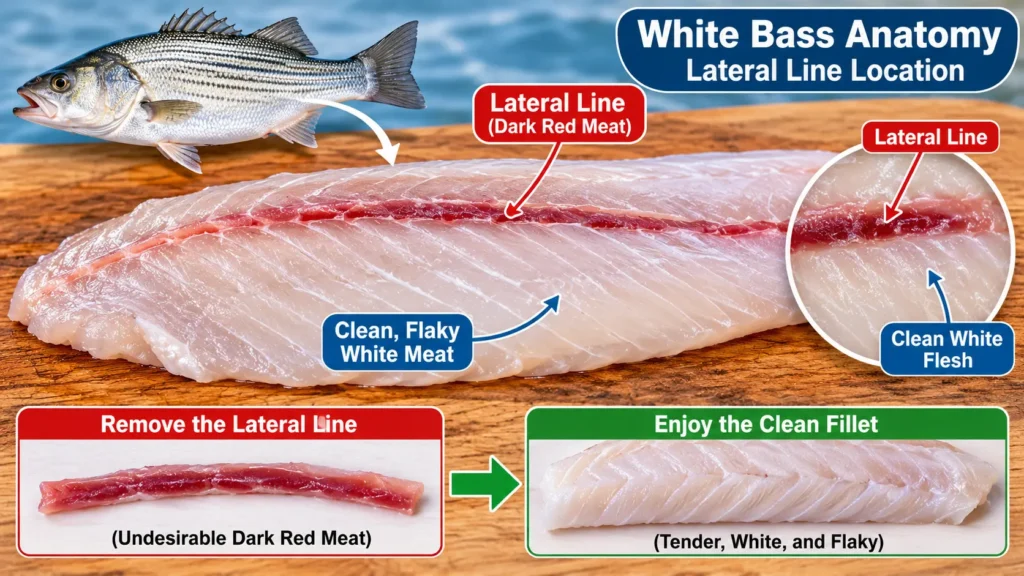
The biggest factor is not the species—it is preparation. White bass have a visible red meat strip, often called the blood line or mud vein, that carries a stronger, sometimes fishy taste. Trimming it away leaves mostly mild white meat.
Freshness matters just as much. Bleed the fish quickly, gut it if possible, and place it on ice right away. Anglers who follow those steps usually report a much better fish taste than those who wait until they get home to clean their catch.
Quick answer: If you want a mild fish like crappie or bluegill, white bass can still be very good—but only after careful cleaning and trimming.
What Does White Bass Taste Like?
White bass has a mild, slightly sweet flavor with a more noticeable freshwater character than crappie, bluegill, or perch. Some people compare the texture and overall flavor to largemouth bass, while others find white bass a little stronger and more fishy.
The white meat is moist and flaky when cooked correctly. It should separate into thick flakes, not turn dry or mushy. Larger, older fish and fish caught during warm-water periods may have a stronger flavor than smaller, colder-water fish.
Fresh vs. Poorly Handled White Bass
| Factor | Fresh, well-handled white bass | Poorly handled white bass |
|---|---|---|
| Flavor | Mild, clean, lightly sweet | Fishy, muddy, or metallic |
| Texture | Firm, moist, flaky | Soft, mushy, or dry after cooking |
| Color | Bright white fillets | Discolored flesh, visible blood line |
| Best use | Frying, grilling, baking | Better released or used in strongly seasoned recipes |
Cold water generally improves eating quality. Many anglers prefer white bass caught in cooler months because the flesh feels firmer and the flavor is cleaner.
Is White Bass Healthy to Eat?
White bass can be a healthy part of your diet. Like many freshwater fish, it provides high-quality protein along with nutrients such as vitamin B12, selenium, and omega-3 fats. The FDA notes that fish supports a healthy eating pattern and provides protein, omega-3 fats, vitamin B12, vitamin D, selenium, iron, and other important nutrients.
A comparable serving of hybrid striped bass, a close relative, provides about 17.7 grams of protein, 97 calories, and 2.3 grams of fat per 100 grams. White bass nutrition varies by fish size, diet, and water body, but it remains a lean source of proteins
Check Local Advisories
Before you eat bass from any lake, river, or reservoir, check your state wildlife or health department’s fish-consumption advisory. Contaminants such as mercury or PCBs can accumulate in fish, and advisories differ by location and species. The FDA specifically advises anglers to check local advisories for fish caught by family or friends.
If no advisory exists for your water, the FDA suggests eating only one serving of locally caught fish that week unless local guidance says otherwise.
How to Clean White Bass for Better Flavor
Good cleaning turns an average fish into good table fare. Work quickly, keep the fish cold, and use a sharp fillet knife.
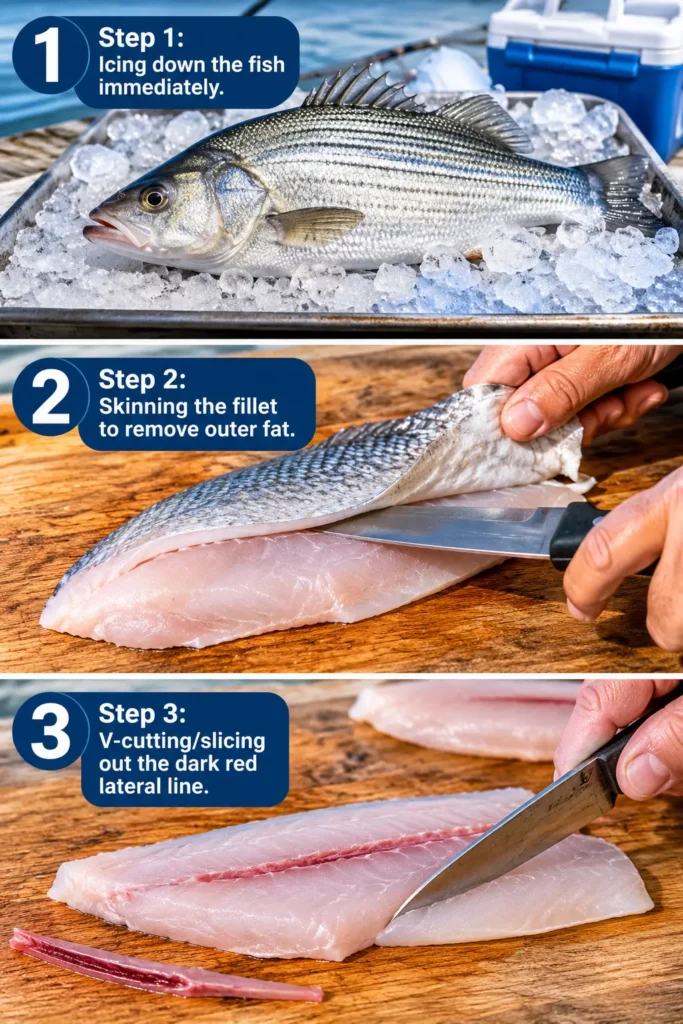
- Bleed the fish immediately. Cut the gills or make a small cut near the tail, then place the fish on ice.
- Gut and rinse it. Remove the internal organs and rinse the cavity with cold water.
- Fillet the fish. Cut behind the gills, run the knife along the backbone toward the tail, and remove each fillet above the rib cage.
- Remove the skin if desired. Skin-on fillets hold together better on a grill, but skinless fillets are easier to batter and fry.
- Trim the red meat. Cut away the dark strip along the lateral line and any blood line near the ribs.
- Rinse and chill. Give the fillets a final cold rinse, pat them dry, and keep them on ice or refrigerate them promptly.
Should You Remove the Dark Meat from White Bass?
Yes, remove the red meat if you prefer a milder flavor. This darker tissue sits along the lateral line and contains more blood and oils, which is why it often carries the strongest fishy or muddy notes.
To trim it, place the fillet skin-side down and slice just above the visible red strip. Remove the strip in one clean pass rather than scraping repeatedly. You will lose a little meat, but the remaining fillet will taste noticeably cleaner.
Some anglers leave the red meat on and enjoy the stronger flavor, especially when grilling or smoking. If you are new to eating white bass, trim it first.
How to Cook White Bass: 4 Best Methods
White bass is versatile, but it shines when you cook it gently and avoid overcooking. The fillets are usually smaller than striper fillets, so they cook quickly.
1. Pan-Fry or Deep-Fry
Frying is the most popular way to cook white bass. A light batter or breading adds crunch and complements the fish’s natural richness.
- Soak fillets in milk, buttermilk, or a light saltwater brine for 30 minutes to 2 hours.
- Dredge them in seasoned cornmeal, flour, or a fish-fry mix.
- Fry at about 350°F until golden and the flesh flakes easily.
- Drain on a rack rather than paper towels to keep the coating crisp.
2. Grill
White bass works well on the grill, especially with the skin left on. The skin protects the flesh and crisps nicely while the fillet stays moist.
Use medium-high heat, oil the grates, and cook the fillets for a few minutes per side. A simple seasoning of salt, black pepper, paprika, garlic powder, and lemon works well.
3. Bake
Baking is an easy hands-off method. Place seasoned fillets in a lightly oiled dish, add lemon and herbs, and bake at 400°F until the flesh turns opaque and flakes with a fork.
This method suits larger fillets or anyone who wants a lighter meal without batter.
4. Blacken or Sauté
A hot cast-iron skillet and bold Cajun-style seasoning create a flavorful crust. Blackening works best with thicker fillets and a well-ventilated kitchen.
For a lighter sauté, cook the fillets in butter or olive oil for two to three minutes per side, then finish with lemon juice and fresh parsley.
Can You Fry, Grill, or Bake White Bass?
Yes. Fry white bass when you want a crispy, crowd-pleasing meal; grill it when you want a smoky flavor; bake it when you want a simple, healthy preparation.
| Method | Best for | Flavor result | Key tip |
|---|---|---|---|
| Frying | Small fillets | Crispy, rich, mild | Do not overcrowd the oil |
| Grilling | Skin-on fillets | Smoky, clean | Oil the grate well |
| Baking | Larger fillets | Tender, delicate | Add lemon and herbs |
| Blackening | Thicker fillets | Spicy, savory | Use high heat briefly |
How to Get the Fishy Taste Out of White Bass
You cannot make every white bass taste identical, but you can greatly improve mildness with a few simple steps.
- Keep it cold. Ice the fish immediately after catching it.
- Bleed and clean it early. Removing blood and organs reduces off-flavors.
- Trim the blood line. The red meat is the main source of strong flavor.
- Soak the fillets. Milk, buttermilk, or a light brine can help draw out remaining blood and soften overly fishy notes.
- Use complementary seasoning. Lemon, garlic, paprika, cayenne, dill, and black pepper balance freshwater flavor without hiding the fish.
- Avoid overcooking. White bass becomes dry and more strongly flavored when cooked too long.
A practical soak is 30 minutes to 2 hours. Longer soaking can begin to change the texture of the fillets.
White Bass vs. Striped Bass: Which Tastes Better?
White bass and striped bass are related, but they are not the same fish. White bass are smaller freshwater fish, while striped bass—often called striper—can live in saltwater, brackish water, or freshwater depending on the population.
White Bass vs Striped Bass Taste
Striped bass generally has a firmer, sweeter, and more delicate flavor. White bass is usually a little stronger and more fishy, though careful cleaning narrows the gap considerably.
| Feature | White bass | Striped bass |
|---|---|---|
| Size | Usually smaller | Usually larger |
| Flavor | Mild to moderately fishy | Mild, slightly sweet |
| Texture | Firm, flaky | Firmer, large flakes |
| Best cooking | Fry, grill, bake | Grill, bake, broil, pan-sear |
| Handling | Trim red meat for best flavor | Quality depends heavily on size and source |
Hybrid striped bass, a cross between white bass and striped bass, is also popular table fare. It typically has mild flavor, moist white meat, and a firm but flaky texture.
Neither fish is automatically “better.” Choose white bass for quick fried fish or a budget-friendly freshwater meal. Choose striper when you want larger fillets and a slightly sweeter, more refined flavor.
Frequently Asked Questions About Eating White Bass
Why do fishermen not eat bass?
Many fishermen release bass because of catch-and-release traditions, local regulations, or concerns about water quality. Some also prefer crappie, bluegill, or other panfish for the table. White bass, however, are commonly kept and eaten when they are fresh and properly cleaned.
Can you eat white bass skin?
Yes. White bass skin is edible and becomes crisp when grilled or pan-fried. Many cooks leave the skin on for grilling because it helps protect the delicate flesh.
If you dislike stronger flavors, remove the skin after cooking or fillet the fish skinless before preparing it.
Do white bass taste muddy or fishy?
They can, but not always. The strongest flavors usually come from the red meat, blood line, poor handling, or warm water. Remove the dark meat, chill the fish quickly, and soak the fillets if needed for a cleaner taste.
What is the best way to cook white bass?
Pan-frying or deep-frying is the most reliable method for most anglers. A cornmeal batter or seasoned breading creates a crisp exterior while the flaky white meat stays moist inside. Grilling and baking also work well when the fillets are fresh.
Can you eat white bass caught from a river?
Yes, provided the river is clean and your state has not issued a consumption advisory for that water. River fish can vary in flavor depending on water quality, flow, temperature, and available food. Always check local advisories before keeping fish.
How do you know if white bass is safe to eat?
Use three checks: confirm there is no local advisory, keep the fish cold, and inspect it before cooking. Fresh fillets should smell clean, look moist rather than slimy, and have firm flesh. Cook white bass thoroughly; do not eat freshwater fish raw.
Are white bass better than crappie or bluegill?
That depends on preference. Crappie and bluegill are usually milder and sweeter. White bass has a stronger freshwater flavor but larger fillets and a meatier texture. Many anglers consider all three good fish when cleaned and cooked well.
Do you have to soak white bass before cooking?
No, but soaking can help. Milk, buttermilk, or a mild brine can reduce residual fishiness, especially in larger fish or fillets with remaining red meat.
What are the 10 most unhealthy fish to eat?
There is no official universal list of the “10 most unhealthy fish,” but fish higher in mercury or contaminants—such as shark, swordfish, king mackerel, tilefish, and some large tuna—should be eaten less often. For locally caught fish, including white bass, always follow your state’s fish-consumption advisory because safety depends on the specific water body.
Do white bass have a lot of bones?
White bass have a normal bone structure for a freshwater fish: a backbone, rib bones, and pin bones in the fillets. They are not especially bony like some panfish, but you should still check each fillet carefully before cooking or eating it.
Conclusion: is white bass good to eat?
Are white bass good to eat? Yes—when you treat them like a quality freshwater fish rather than an afterthought. Keep them cold, clean them promptly, trim the red blood line, and cook the fillets until they are just flaky. Those simple steps turn white bass into genuinely good eating.
The white meat is moist, protein-rich, and versatile enough for a crispy batter, a hot grill, or a simple baked dinner. While crappie, bluegill, and striper may taste milder to some people, a well-handled white bass can absolutely taste better than its reputation suggests.
Before you keep bass, check the consumption advisory for your specific lake, river, or reservoir. If the water is clean and you prepare the fish properly, white bass is a worthwhile fish to eat—and a rewarding part of any bass fishing trip.
You might also like
- Are Freshwater Striped Bass Good To Eat? (Must-Read FAQs)
- What Color Chatterbait To Use For Bass Fishing (Top Models!)
- Do Smallmouth Bass Have Red Eyes? Facts You (Should-Know)
- Best Frog Lures For Bass Fishing (Incl. AFFORDABLE Models!)
- Do You Use Weights When Fishing For Bass (Complete Sinkers Guide)
- Can You Go For Bass Fishing At Night? (The Ultimate Bass Fishing Guide)
- Is King Mackerel a Good Fish to Eat? Taste, Benefits & Risks