
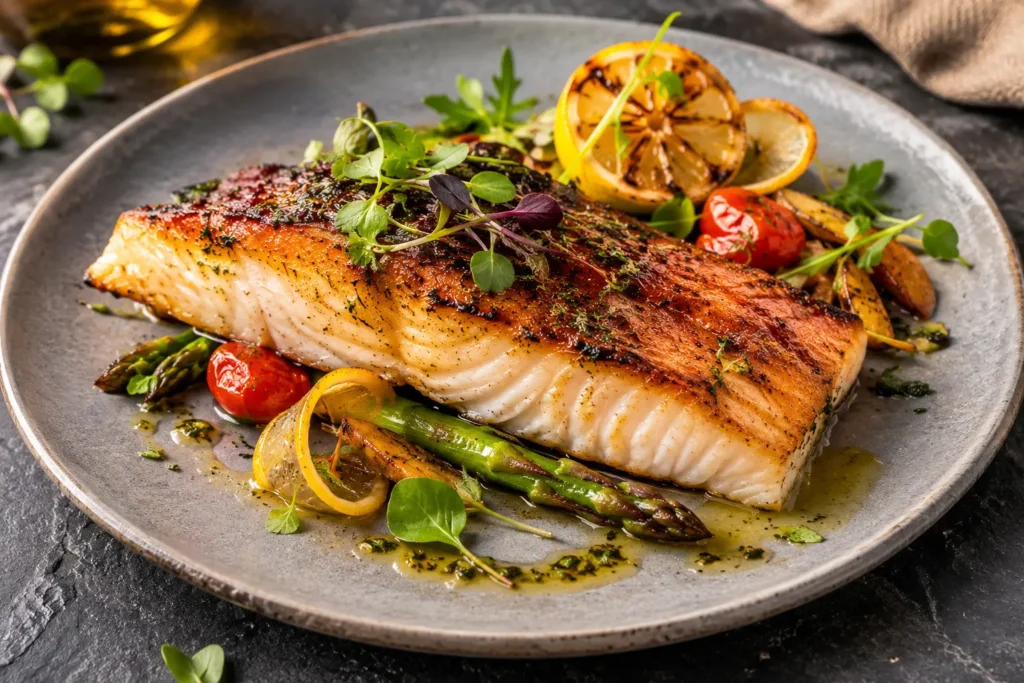
is amberjack good to eat? amberjack is a good fish to eat. Greater amberjack has a mild, sweet flavor, firm yet delicate flesh, and a naturally buttery texture from its oil content. It works especially well grilled, baked, pan-seared, or smoked, provided you buy fresh fillets and cook it properly.
Amberjack is not a “fishy” seafood. Its clean flavor makes it a strong choice for people who normally prefer snapper, grouper, or mahi-mahi, while its higher fat content keeps the meat moist during cooking. U.S. wild-caught greater amberjack is also managed under federal fishery regulations, although availability and local advice can vary by region.
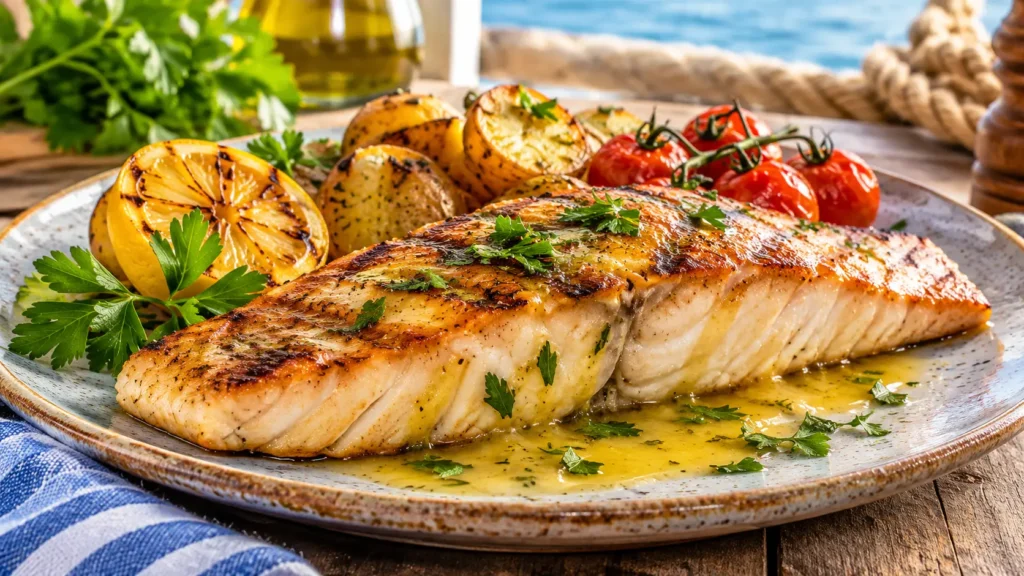
Is Amberjack a Good Fish to Eat?
Amberjack is one of the better-tasting offshore fish for home cooking. A greater amber jack fillet has a mild flavor, tender but firm texture, and enough natural oil to stay juicy when grilled or roasted. NOAA describes it as sweet, mild, tender, firm, delicate, and buttery.
The best amberjack to eat is usually a properly handled, fresh fish rather than an old, poorly iced one. Like many saltwater species, quality depends heavily on how quickly the catch was cleaned, chilled, and processed. Recreational anglers often prize amberjack, but the same fish can taste excellent or merely average depending on handling.
Why people enjoy it?
- The meat is meaty enough for the grill but not tough.
- Its mild flavor takes well to lemon, garlic, olive oil, herbs, and butter.
- It holds together in fish tacos, skewers, chowders, and baked recipes.
- It is versatile enough for both simple weeknight meals and restaurant-style dishes.
Image suggestion: A close-up photo of a raw greater amberjack fillet beside lemon slices, olive oil, garlic, and fresh herbs.
What Does Amberjack Taste Like?
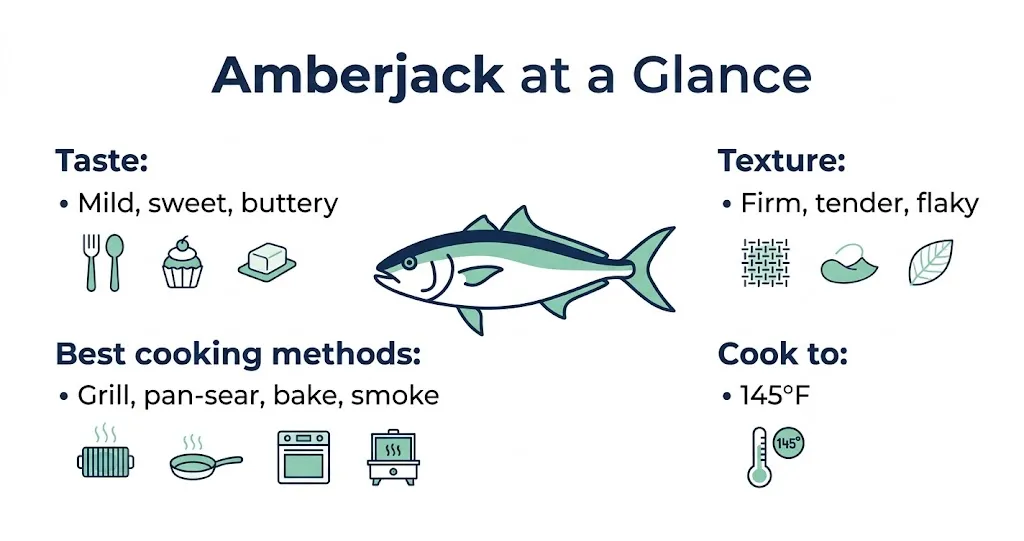
Amberjack tastes mild, slightly sweet, and clean, with a rich, buttery finish. The flavor is stronger than very delicate white fish such as flounder, but much gentler than bluefish or mackerel.
The texture is the main reason many people call it a favorite. Amber jack flesh is firm, moist, and flaky when cooked, with a satisfying bite that does not dry out as quickly as leaner fish. The belly and areas near the tail can be especially rich because they contain more fat.
Amberjack taste
| Trait | What to expect |
|---|---|
| Flavor | Mild, sweet, clean, lightly oceanic |
| Texture | Firm, tender, delicate, flaky when cooked |
| Fat content | Moderate to high; gives a buttery mouthfeel |
| Best pairings | Lemon, garlic, butter, olive oil, chili, citrus, herbs |
| Similar fish | Grouper, snapper, yellowtail, mahi-mahi |
Fresh amber jack should smell like clean seawater, not a strong “fishy” odor. The flesh should look translucent to pinkish-white, feel springy, and show no dull, dry edges.
Is Amberjack Healthy? Nutrition and Benefits
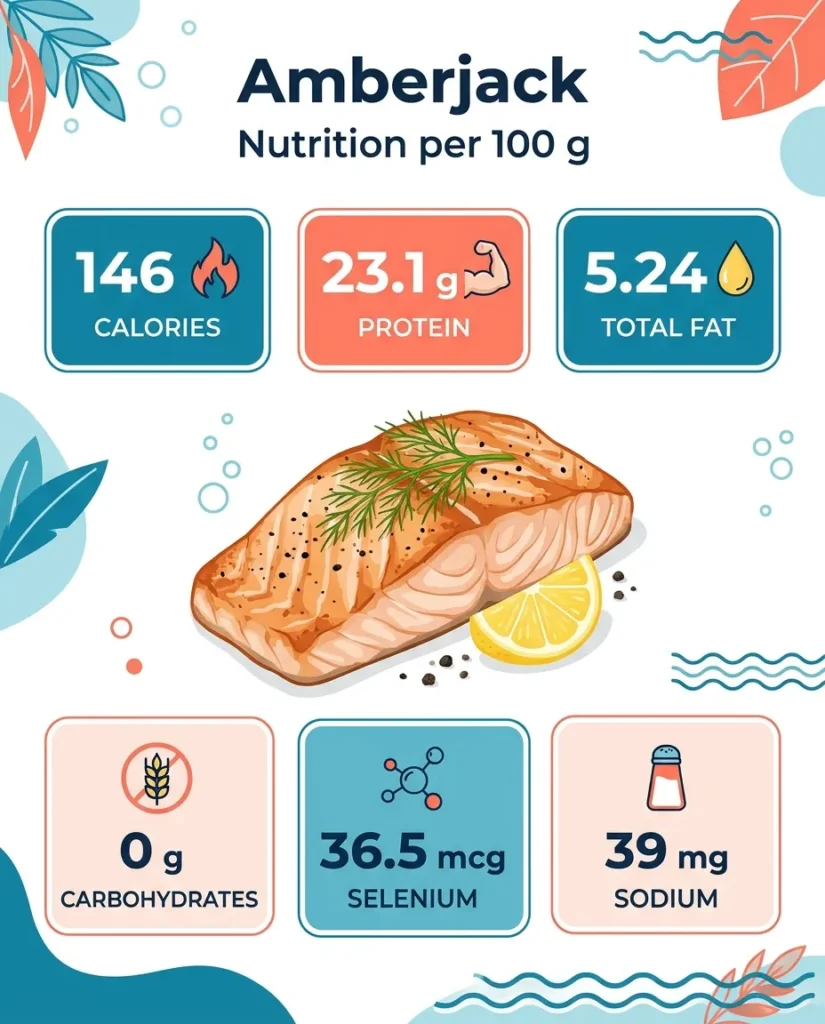
Amberjack fish or “reef donkey” can be a healthy part of a balanced diet. According to NOAA, a 100-gram serving of greater amberjack provides about 146 calories, 23.1 grams of protein, 5.24 grams of total fat, 55 milligrams of cholesterol, 36.5 micrograms of selenium, and 39 milligrams of sodium.
That makes amberjack a high-protein, low-carbohydrate seafood choice. It also contains no sugar or dietary fiber, which is normal for fish.
Fish generally provides protein, omega-3 fats, vitamin B12, vitamin D, iodine, and selenium. The FDA notes that seafood fits well into healthy eating patterns and may support heart health, while pregnant and breastfeeding people are advised to eat a variety of lower-mercury seafood.
Infographic suggestion: A simple “Amberjack Nutrition Card” showing protein, calories, fat, selenium, and sodium per 100-gram serving.
Does Amberjack Have a Lot of Mercury?
Amberjack can contain mercury, but the amount depends on the species, size, age, location, and diet. Larger, older fish generally accumulate more methylmercury over time, so a big greater amberjack may carry more mercury than a smaller fish from the same area.
The FDA/EPA advice does not place amberjack in the same “Choices to Avoid” group as shark, swordfish, king mackerel, Gulf tilefish, marlin, orange roughy, or bigeye tuna.
However, amberjack is also not listed among the lowest-mercury “Best Choices,” so people who are pregnant, breastfeeding, or serving young children should check the current FDA/EPA chart and local advisories before making it a weekly staple.
Practical mercury guidance
- Most healthy adults: Enjoy AJ occasionally as part of a varied seafood diet.
- Pregnant or breastfeeding people: Follow FDA/EPA serving guidance and favor lower-mercury options more often.
- Anglers: Check state or local fish-consumption advisories for the exact water and species.
- Bigger fish: Be more careful with very large, mature amberjack because mercury can increase with age and size.
Can You Eat Greater Amberjack Raw?
You can eat greater amberjack raw only if it has been handled and frozen specifically for raw consumption. Do not assume a fresh fillet from a fish market or a fish you caught is automatically safe for sashimi, sushi, or ceviche.fda
Raw or undercooked seafood can carry parasites, including roundworms. The FDA says thorough cooking kills parasites, and freezing under specific conditions can also destroy them: -4°F (-20°C) or below for 7 days, or -31°F (-35°C) or below until solid and held for 15 hours, or -31°F until solid then held at -4°F for 24 hours.
If you want amberjack ceviche or sashimi
- Buy sushi-grade or sashimi-grade fish from a reputable seafood seller.
- Ask whether it was frozen to parasite-destruction standards.
- Keep it cold until serving.
- Avoid raw amberjack if you are pregnant, immunocompromised, elderly, or serving young children.
- For the safest option, cook the fish to 145°F until the flesh turns opaque and separates easily.
What Is the Best Way to Cook Amberjack?
The best way to cook amberjack is usually a quick, high-heat method: grilling, pan-searing, broiling, or baking. Its natural oil and firm texture make it forgiving, but overcooking can still make the meat dry.
Grilled amberjack (best seafood recipe)
Brush a greater amberjack fillet with olive oil, season it with salt, black pepper, garlic, and lemon zest, then grill over medium-high heat for about 3 to 4 minutes per side, depending on thickness. The fish is ready when it flakes easily and reaches 145°F inside.
Pan-seared lemon butter amberjack
This is one of the easiest and most delicious ways to cook amberjack.
Ingredients
- 1 pound greater amberjack fillet
- 2 tablespoons olive oil
- 2 tablespoons butter
- 2 cloves garlic, minced
- Juice of half a lemon
- Salt and black pepper
- Chopped parsley
- Cherry tomatoes, optional
Method
- Pat the fillet dry and season both sides.
- Heat olive oil in a pan over medium-high heat.
- Sear the fillet for 3 to 4 minutes per side, depending on thickness.
- Lower the heat, add butter and garlic, and spoon the pan sauce over the fish.
- Finish with lemon juice and parsley.
- Serve immediately with cherry tomatoes, rice, or roasted vegetables.
Baked amberjack
Place the fillet in an oven dish, drizzle it with olive oil, add lemon, garlic, and herbs, then bake at 400°F for about 10 to 14 minutes. Thicker portions may need a few extra minutes. The flesh should be opaque and flake with a fork.
Other excellent cooking methods
- Fish tacos: Season cubes of amberjack with chili powder, cumin, lime, and garlic, then fry or grill them.
- Smoking: Use a mild wood and keep the temperature low; the fish’s fat makes it well suited to smoking.
- Ceviche: Use only properly frozen, sushi-grade fish.
- Stock or chowder: Use bones and trim after making sure they are fresh and clean.
Image suggestion: A grilled amberjack fillet on a wooden board with lemon butter, charred lemon halves, and herbs.
How to Prepare Amberjack for Better Flavor
Good preparation matters more with amberjack than with many mild white fish. Blood lines, dark meat, and poorly chilled flesh can create a stronger flavor, so careful cleaning and prompt icing make a noticeable difference.
For the best-tasting fillet
- Bleed and ice the fish quickly after the catch.
- Keep it on ice rather than letting it sit in standing water.
- Remove the dark bloodline if you prefer a cleaner, milder flavor.
- Trim gray or bruised belly areas.
- Leave the skin on for grilling if you like crispy skin; remove it for delicate pan sauces.
- Pat the fillet dry before seasoning so it sears instead of steaming.
- Season simply: salt, pepper, lemon, garlic, olive oil, and fresh herbs.
Smaller fish often have a more delicate flavor and texture than bigger ones. A moderate-sized amberjack can be better than a very large, mature fish for everyday cooking, especially if you want a cleaner taste and a more manageable fillet.
Does Amberjack Taste Better Than Grouper or Mahi-Mahi?
Amberjack, grouper, and mahi-mahi are all excellent, but they offer different eating experiences. Amberjack is richer and more buttery; grouper is mild, sweet, and dense; mahi-mahi is leaner, firmer, and slightly sweeter.
| Fish | Flavor | Texture | Best cooking method |
|---|---|---|---|
| Amberjack | Mild, sweet, buttery | Firm, tender, moist | Grill, pan-sear, bake, smoke |
| Grouper | Mild, sweet, clean | Dense, flaky | Bake, fry, sauté |
| Mahi-mahi | Mild, slightly sweet | Firm, lean | Grill, blacken, tacos |
If you enjoy grouper or snapper, you will probably like amberjack. If you prefer a leaner fish such as mahi-mahi, amberjack may taste richer because of its higher oil content.
Are There Any Risks to Eating Amberjack?
The main risks are mercury exposure, parasites in raw fish, and poor handling after the catch. Cooking amberjack thoroughly greatly reduces food-safety concerns; the CDC recommends cooking fish to 145°F or until the flesh is opaque and separates easily. cdc
Parasites are a natural occurrence in many wild fish. They may look like worms in the flesh, especially near the belly or bloodline. Proper cooking kills them, and commercial freezing standards can destroy parasites in fish intended for raw dishes. Trimming visible parasites may improve appearance, but it does not make raw fish safe by itself.
Who should be more careful
- Pregnant or breastfeeding people
- Young children
- Older adults
- People with weakened immune systems
- People who eat large amounts of locally caught fish
For locally caught amberjack, check state, tribal, or local advisories. These advisories account for local water conditions and can be more specific than national seafood guidance.
Is Amberjack Worth Keeping and Eating After Fishing?
Yes—if you handle it well, amberjack is absolutely worth keeping and eating. It is a prized catch for many recreational anglers, and its firm, oily flesh makes it excellent for the grill or smoker. NOAA reports that recreational anglers landed 2.6 million pounds of greater amberjack in 2024, showing how popular the species is among coastal anglers.
The key is speed. Bleed the fish, rinse it if needed, and pack it in ice immediately. Avoid leaving an amberjack on a hot deck or in a cooler with melted water. Once home, fillet it promptly, remove the bloodline if desired, and cook or freeze it within a safe timeframe.
Before you keep one
- Confirm the current size limit, bag limit, and season.
- Follow regional rules for the Gulf, South Atlantic, and Baja Coast (Pacific Ocean).
- Remember that commercial and recreational closures can apply during spawning periods.
- Check local consumption advisories if you plan to eat it regularly.
FAQs
Is amberjack good to eat , and what does it taste like?
Yes. Amberjack is good to eat because it has a mild, sweet flavor and a firm, buttery texture. It is especially tasty grilled, baked, pan-seared, or smoked.
Is amberjack a good eating fish compared with tuna?
Amberjack is milder and less strongly flavored than many tuna species. Tuna can be meatier and richer, while amberjack offers a softer, more delicate bite with a buttery finish.
Do amberjack fish have worms?
Some amberjack can carry parasites, including worms like the ones found in other pacific ocean fish. Thorough cooking kills parasites; raw preparations require fish that has been properly frozen for parasite control.
Is amberjack healthy?
Yes. A 100-gram serving provides 23.1 grams of protein, 146 calories, and selenium, with no carbohydrates. It can fit well into a healthy seafood-focused diet.
What does greater amberjack taste like?
Greater amberjack tastes sweet, mild, and clean, with tender, firm, delicate flesh and a buttery texture from its natural oil.
What is the best way to cook amberjack?
Grilling, pan-searing, broiling, and baking are excellent. A simple lemon butter amberjack recipe with garlic, olive oil, and parsley is a reliable choice.
Can you fry amberjack?
Yes. Cut the fillet into portions, season it, dust it lightly with flour or seasoned breading, and fry until golden and cooked through. Sea Amberjack also works well in fish tacos.
Is yellowtail the same as amberjack?
They are related but not identical. Yellowtail and amberjack both belong to the jack family, but they are different species. Their flavors can be similar: clean, mild, and slightly rich.
Is amberjack safe during pregnancy?
Pregnant people should follow the FDA/EPA fish advice and check local advisories. Choose lower-mercury seafood more often, avoid raw amberjack, and cook fish thoroughly.
How can you tell if amberjack is fresh?
Fresh amberjack should smell clean, feel firm and springy, and have moist, glossy flesh. Avoid fish with a strong odor, dull color, slimy coating, or soft spots.
What does an amberjack fish look like?
An amberjack has a long, streamlined body with a brownish or bluish-gray back, silvery-white belly, and a dark amber stripe running from its nose toward the first dorsal fin. Young fish often show yellow coloring and dark vertical bars.
Is amberjack an expensive fish?
Amberjack is usually moderately priced—not as cheap as tilapia or catfish, but often less expensive than premium fish such as Chilean sea bass, halibut, or high-end tuna. Price varies by region, season, freshness, and whether it is commercially harvested or sold as a specialty seafood item.
What fish is not recommended to eat?
The FDA/EPA lists king mackerel, marlin, orange roughy, shark, swordfish, Gulf of Mexico tilefish, and bigeye tuna as “Choices to Avoid” because they tend to have the highest mercury levels.
Does all amberjack have worms?
No. Not every amberjack has worms, but parasites can occur in wild amberjack just as they can in many other ocean fish. Their presence depends on the fish’s diet, location, age, and handling.
Is amberjack safe to eat if it has worms?
Yes, amberjack is safe to eat when it is cooked thoroughly to 145°F, which kills parasites. Do not eat it raw or undercooked unless it has been commercially frozen to parasite-destruction standards.
Conclusion
Is Amberjack a Good Fish to Eat? Yes—amberjack is an excellent seafood choice when you start with fresh, well-handled fish and cook it with care. Its mild flavor, firm yet delicate texture, and buttery richness make it a favorite for grilling, pan-searing, baking, smoking, and fish tacos. A greater amberjack fillet is high in protein and low in carbohydrates, making it a satisfying alternative to grouper, snapper, or mahi-mahi.
The main precautions are simple: keep the fish cold, remove bloodlines and dark meat if you prefer a cleaner flavor, cook it to 145°F, and use only properly frozen fish for sashimi or ceviche. Check local advisories if you catch amberjack yourself, especially if you are pregnant, breastfeeding, or serving children.
Recommended posts
- Is Bluefish Good Eating Fish? Taste, Benefits & Best Recipes
- Are King Mackerel Fish Good to Eat? Taste, Benefits & Risks